Select the measurement point
Choose an in-situ or extracted-sample location that represents the process condition and remains accessible for service.

04 / Solutions
Instrument and system-integration options for selected water-quality parameters, continuous operating visibility, and more structured environmental records.
Discuss Your Project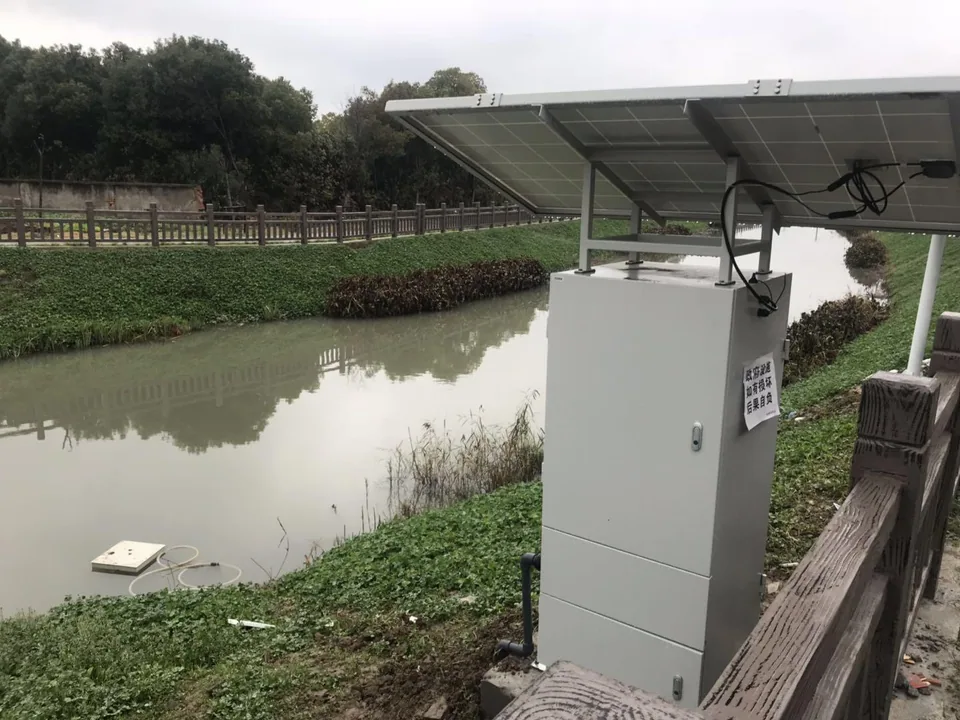 04
0401
02
03 / How the solution works
A monitoring system converts a representative water sample or in-situ measurement into a traceable operating record.
For selected COD duties, Huida can configure a reagent-free UV method that measures organic absorption near 254 nm and uses a second optical channel near 900 nm to compensate for suspended-matter interference, with automatic dilution and cleaning selected for the application. Turbidity options can use 90-degree scattering with transmission.
The complete measurement chain still includes sampling, pretreatment, range selection, signal conversion, communication, validation, calibration, and maintenance.
04 / Process
Choose an in-situ or extracted-sample location that represents the process condition and remains accessible for service.
Control bubbles, solids, flow, pressure, temperature, and fouling as needed before the probe or analyzer measures the selected parameter.
Convert, display, store, alarm, and transmit data using the required protocol while retaining status and fault information.
Use scheduled cleaning, calibration, standards, comparison checks, and maintenance records to preserve confidence in the trend.
05 / Equipment
Parameter-specific probes or analyzers selected for range, matrix, accuracy needs, and maintenance method.
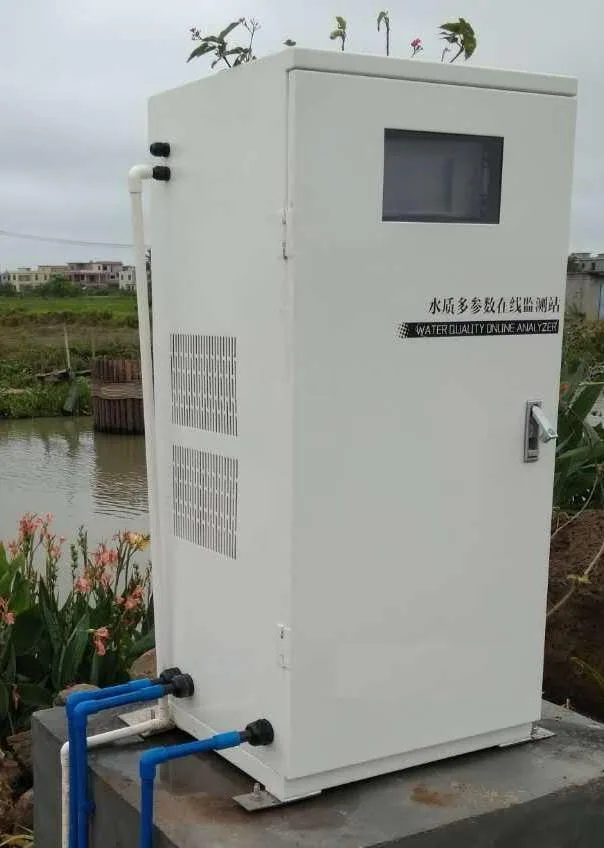
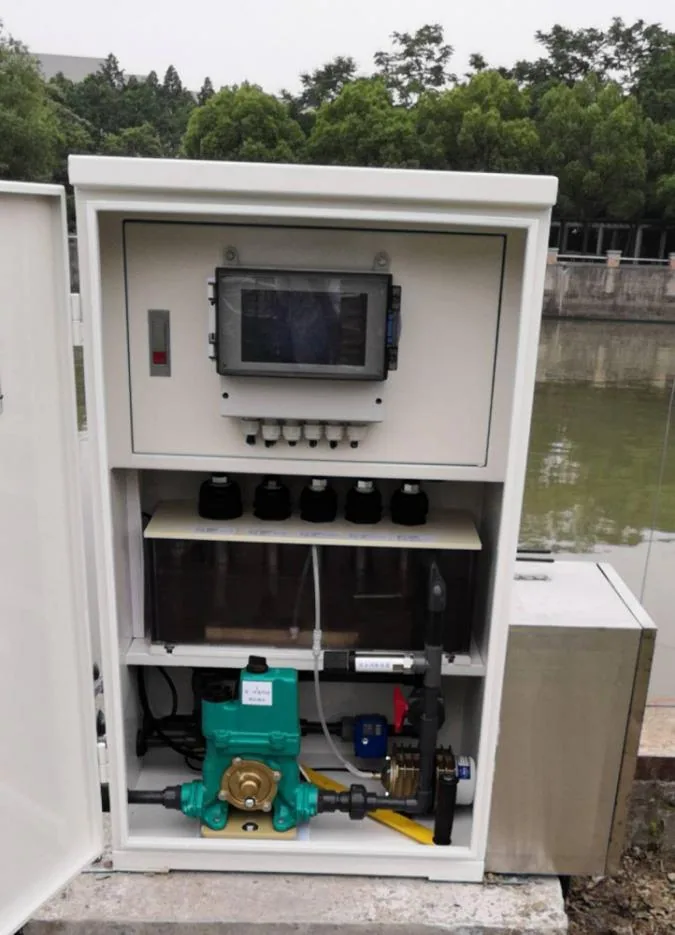
In-situ mounting or sample pump, piping, project-selected dilution, filtration, flow control, drainage, and automatic or manual cleaning provisions.
Power protection, display, signal conditioning, controller, data logger, and environmental enclosure.
Project-selected wired or wireless interface, protocol conversion, remote status, alarms, and data handoff.
06 / Project Value
Operators can see changes between manual sampling events and relate them to process operation.
Configured alarms help operators respond promptly to drift, loss of sample, and out-of-range conditions.
Time-stamped values, maintenance status, and calibration records support more disciplined operation.
Compact in-situ units or cabinet-based systems can be configured around the parameter, location, power, and communication needs.
Equipment & Systems
Explore equipment designs and configurations, then work with us to match the selection to your feed stream and site conditions.
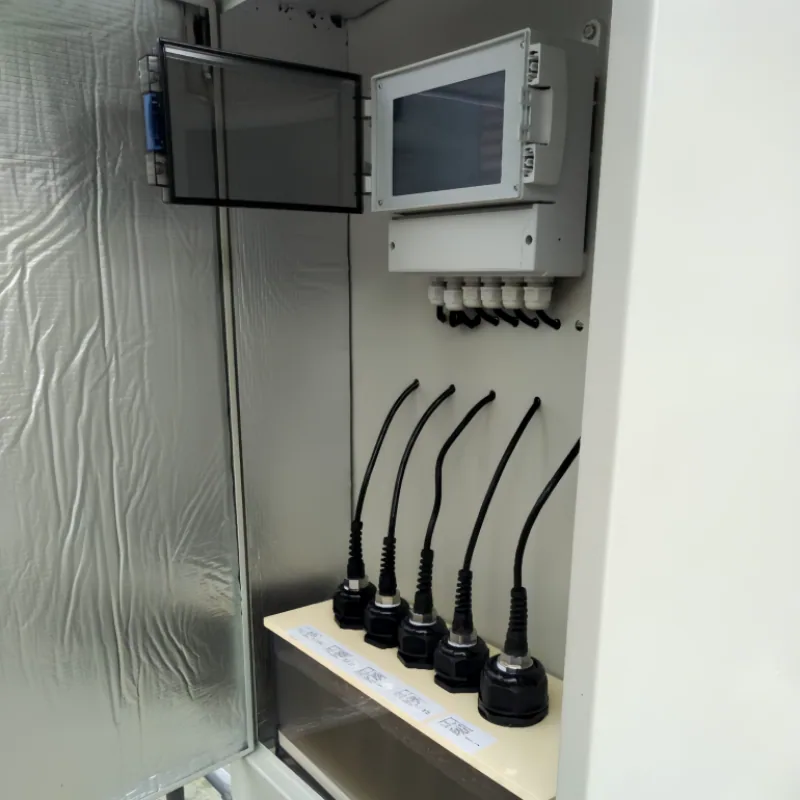
Equipment configuration
Selected measurement modules, automatic operation, and data communications integrated into a monitoring system to help operators follow water-quality changes and equipment status.
07 / Project Data
08 / Operations
Tell us which parameters, ranges, reporting format, and communication interfaces you need. We will match the instrument and system configuration to your process and local reporting requirements.
09 / Experience