Define the duty
Calculate oxygen demand for the biological load and establish the minimum airflow needed to prevent solids deposition.

03 / Solutions
Aeration equipment and layout support for oxygen transfer and mixing in new or upgraded biological wastewater-treatment systems.
Discuss Your Project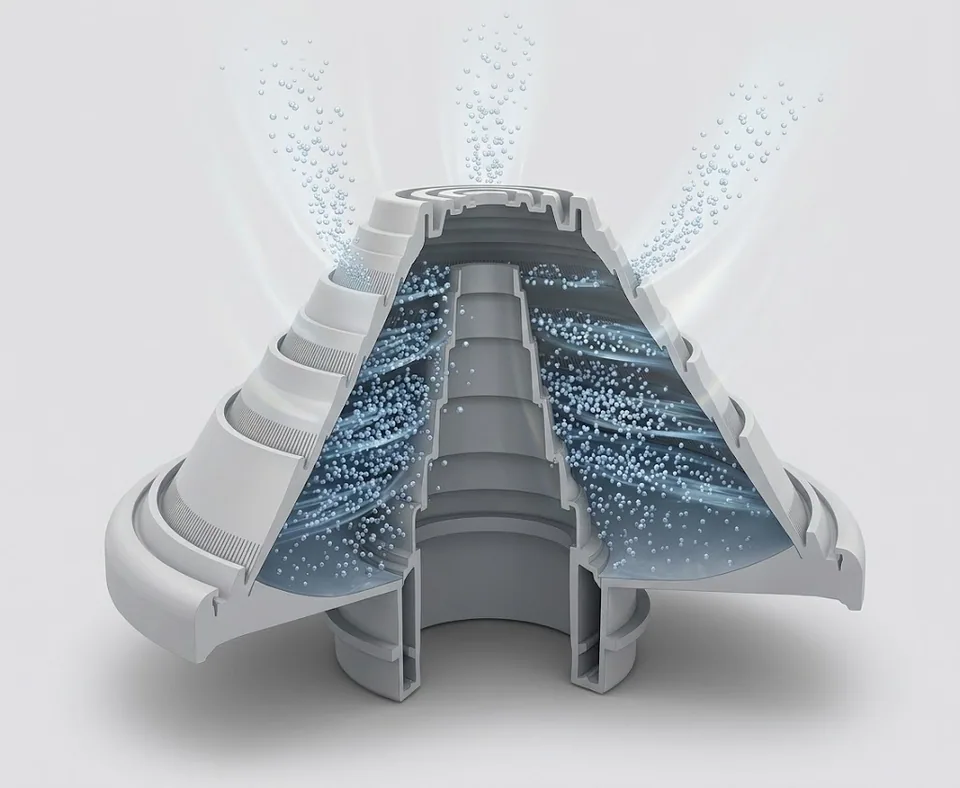 03
0301
02
03 / How the solution works
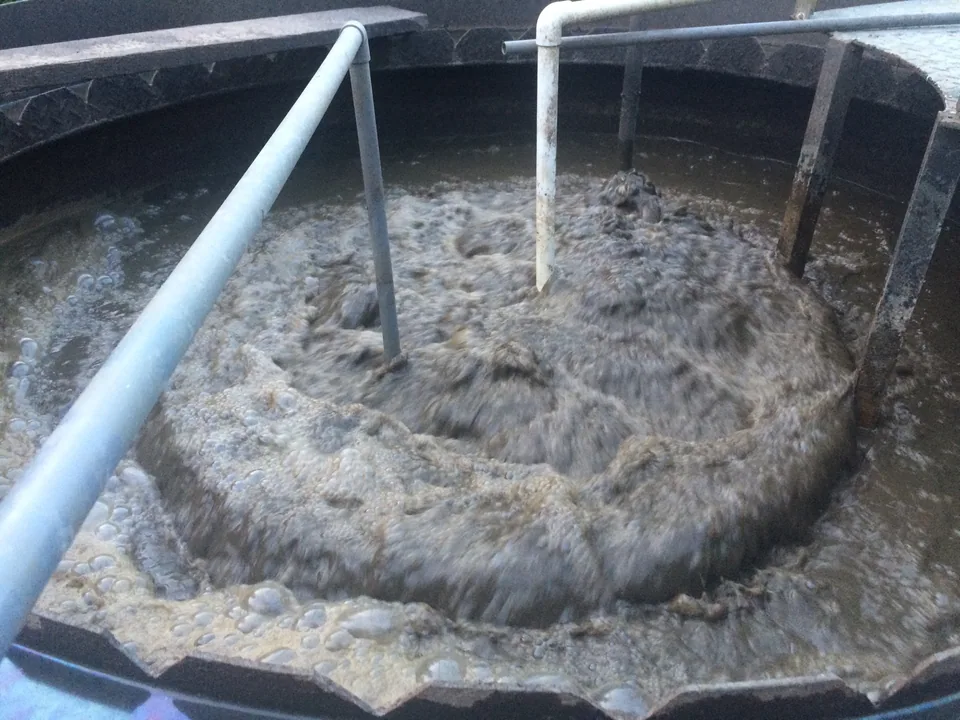
A blower supplies air through headers, branch pipes, risers, and diffusers.
The diffuser divides the airflow into smaller bubbles and distributes it across the biological basin so that oxygen transfer and mixing occur together.
Design starts from actual oxygen demand and minimum mixing air, then checks water depth, wastewater correction factors, system pressure loss, blower operating range, material compatibility, and maintainability.
04 / Process
Calculate oxygen demand for the biological load and establish the minimum airflow needed to prevent solids deposition.
Choose diffuser type, airflow range, spacing, and zone arrangement around basin geometry and operating turndown.
Check blower curve, header and branch losses, valve authority, condensate management, and distribution at maximum and minimum duty.
Commission by zone, then tune pressure, airflow, mixing, dissolved-oxygen response, and maintenance access for the site conditions.
05 / Equipment
Design airflow, discharge pressure, turndown, isolation, relief, noise, and control signal requirements.
Main header, zoned branches, valves, supports, drains, and pressure-measurement points.
Project-selected rigid or membrane devices, risers, manifolds, supports, and retrieval arrangements.
Airflow or pressure indication, dissolved-oxygen feedback where appropriate, alarms, and commissioning test points.
06 / Project Value
Diffuser density and zoning are matched to basin geometry and loading instead of copied from a generic arrangement.
Liftable modular assemblies can be considered where basin access and continuous operation make them appropriate.
Rigid and membrane alternatives can be matched to fouling, scaling, chemicals, temperature, and maintenance practice.
The diffuser, piping, valves, and blower are designed as one pressure and control system.
Equipment & Systems
Explore equipment designs and configurations, then work with us to match the selection to your feed stream and site conditions.
Equipment configuration
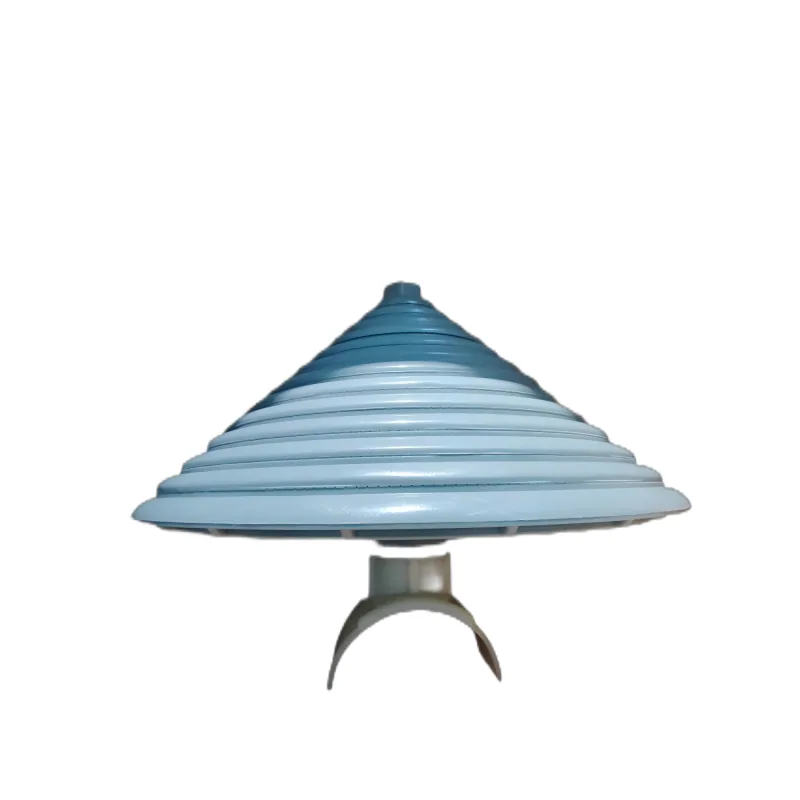
Tower-type rigid microporous diffusers with triangular air-distribution slits and a glass-fibre-reinforced ABS composite body, integrated with the basin air network.
07 / Project Data
08 / Operations
Huida designs the aeration layout around your oxygen demand, wastewater characteristics, basin depth, fouling tendency, air distribution, and blower capacity. Performance targets are matched to the agreed operating and commissioning conditions.
09 / Experience