Control variable farm streams
Separate manure or slurry, barn wash water, process water, and domestic streams where practical, then size screening, grit removal, equalization, and solid–liquid separation for the actual collection pattern.

06 / Solutions
A complete engineering route for pig, dairy, and poultry operations—connecting collection, solid–liquid separation, wastewater treatment, anaerobic digestion, gas safety, energy-use interfaces, and nutrient management.
Discuss Your Project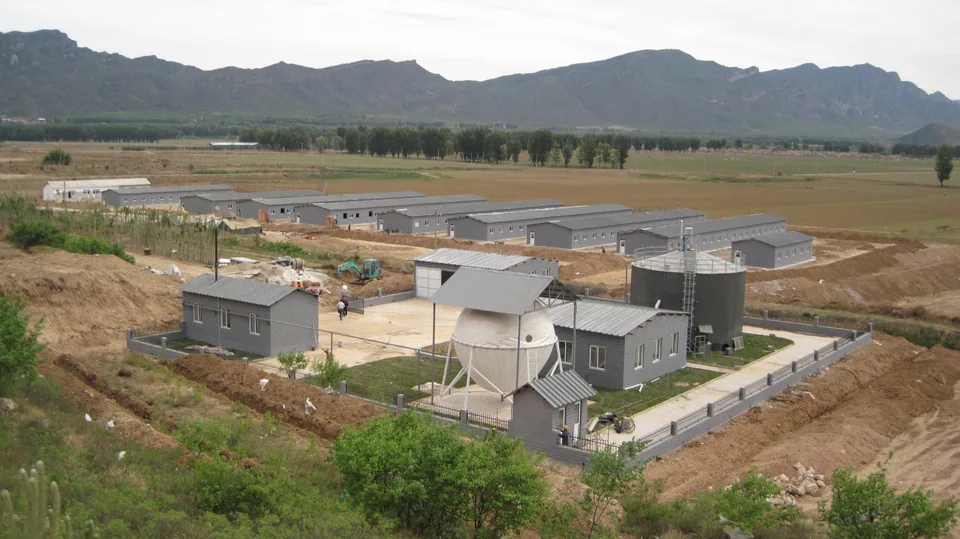 06
0601
02
03 / How the solution works
Livestock projects begin by separating the different streams and defining an outlet for every product. Manure or slurry, barn-wash water, and domestic wastewater can have very different solids and organic loads, so they should not automatically enter one treatment unit.
Screening, grit removal, equalization, and solid–liquid separation stabilize the feed.
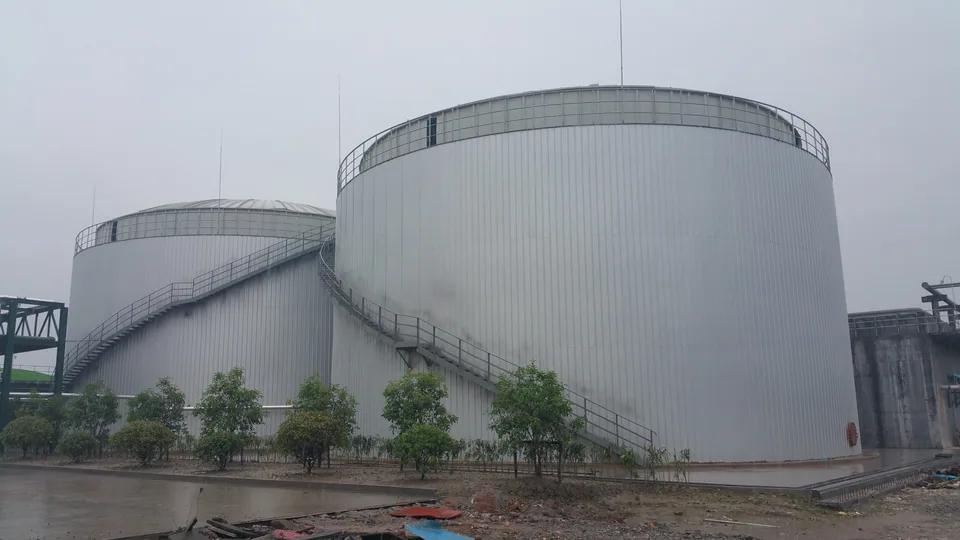
A CSTR can suit pumpable higher-solids slurry, while USR, UASB, or other anaerobic configurations may suit different feed characteristics. The gas line then removes condensate and hydrogen sulfide as required before storage, flare, boiler, power, or upgrading interfaces; wastewater and digestate receive separate post-treatment and reuse routes.
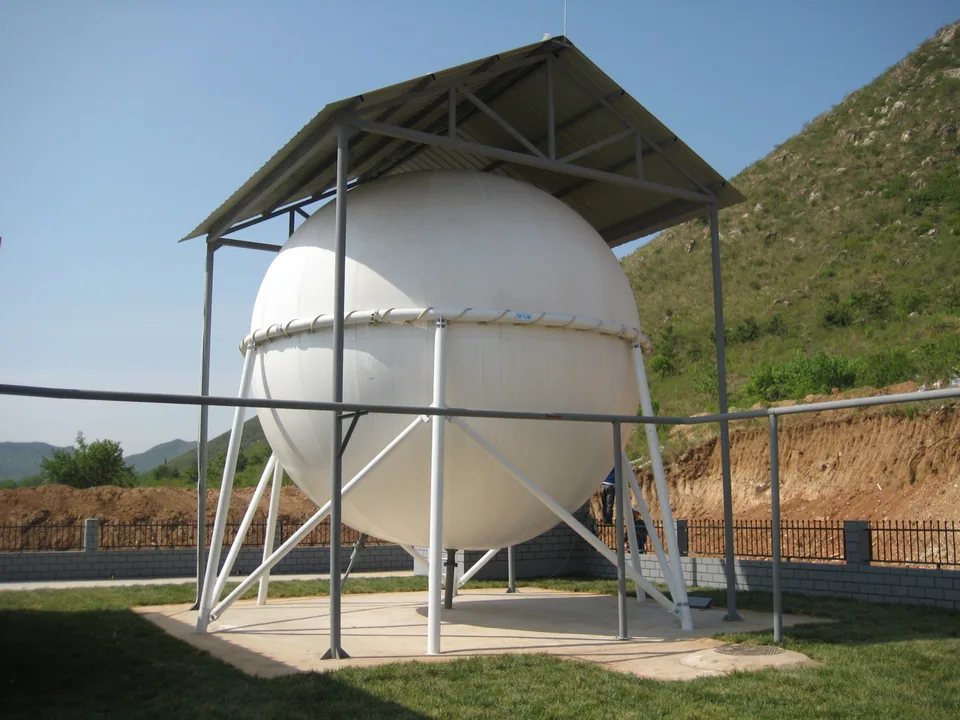
Featured Application
Huida develops integrated treatment trains for pig, dairy, and poultry operations. We coordinate wastewater control, anaerobic digestion, gas conditioning, downstream polishing, and digestate management around the farm’s actual collection method, climate, land, and energy-use conditions.
Separate manure or slurry, barn wash water, process water, and domestic streams where practical, then size screening, grit removal, equalization, and solid–liquid separation for the actual collection pattern.
Select USR, CSTR, UASB, or another suitable anaerobic configuration from solids content and organic loading, then coordinate heating or mixing, gas collection, condensate removal, desulfurization, storage, flare, and utilization interfaces.
Match aerobic polishing, clarification, filtration, disinfection, reuse, or discharge to the water target, while coordinating digestate separation, storage, composting, or land application with local nutrient and seasonal capacity.
One flow linking water, gas, and nutrient management.
Collection zoning, screens, grit removal, equalization, pumps, piping, odor interfaces, and solid–liquid separation selected for the manure-handling method.
Reactor selection, feed distribution, mixing or recirculation, heating, insulation, level and temperature control, sludge withdrawal, and maintenance access.
Condensate control, gas–water separation, desulfurization, pressure control, storage, gas detection, emergency isolation, flare, and boiler or power-generation interface as required.
Post-treatment, separation, storage, dewatering, disinfection, reuse, discharge, composting, or land-application interfaces defined for the local outlet route.
04 / Process
Confirm livestock type, headcount, housing, manure collection, wash schedule, seasonal flow, and the intended water, energy, and nutrient outlets.
Separate unsuitable materials, remove coarse solids and grit, equalize flow, and apply solid–liquid separation where it improves digestion or downstream treatment.
Select and operate the anaerobic reactor around solids, loading, temperature, mixing, and retention needs; then manage condensate, sulfur, pressure, storage, flare, and use interfaces.
Treat wash water and liquid digestate for the agreed discharge or reuse route, while coordinating separated solids, storage, composting, or land application.
05 / Equipment
Zoned drainage, screens, grit removal, equalization, pumps, odor interfaces, and solid–liquid separation selected for the farm’s collection method.
USR, CSTR, UASB, or another selected reactor with feed distribution, mixing or recirculation, heating, insulation, level and temperature control, and sludge withdrawal.
Condensate pots or gas–water separation, desulfurization, pressure control, storage, detection, isolation, flare, and utilization interfaces.
Aerobic polishing, clarification, filtration, disinfection, storage, dewatering, and the connections required for discharge, reuse, composting, or nutrient use.
06 / Project Value
Water, solids, gas, heat, and nutrient routes are sized together so that one outlet does not become another operating bottleneck.
The anaerobic configuration is selected from solids content, pumpability, organic loading, temperature, and mixing needs instead of using one reactor for every farm.
Condensate, hydrogen sulfide, pressure, storage, flare, detection, and isolation are addressed as an integrated gas system.
Effluent and digestate routes are developed around actual land, crop, storage, season, discharge, and local acceptance conditions.
Equipment & Systems
Explore equipment designs and configurations, then work with us to match the selection to your feed stream and site conditions.
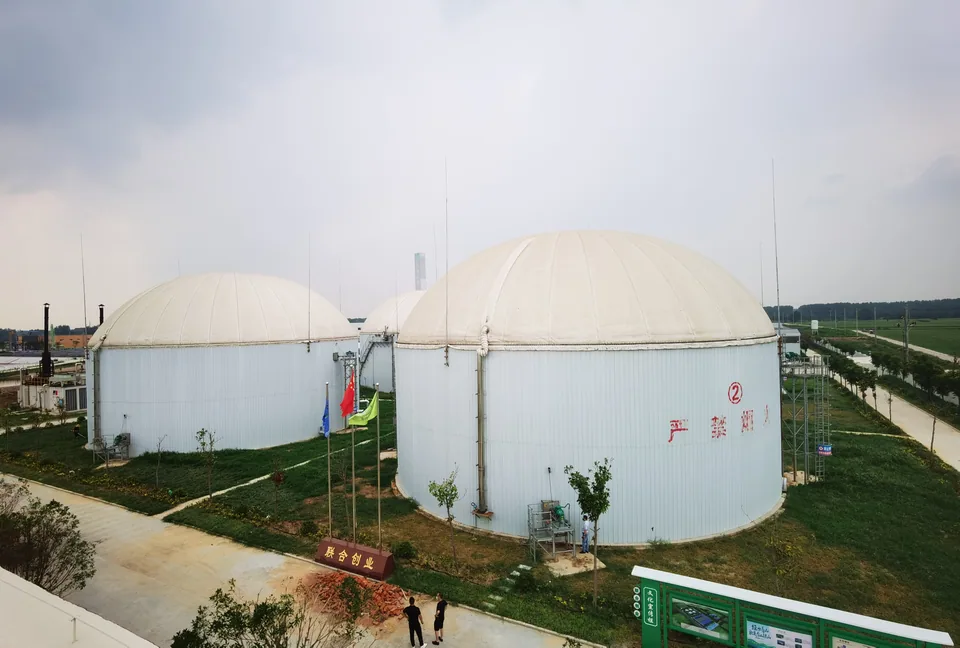
Equipment configuration
Anaerobic digestion, biogas conditioning and storage, and energy-use interfaces configured for livestock manure and wastewater, with coordinated digestate treatment.
07 / Project Data
08 / Operations
Tell us the livestock type and headcount, manure-collection method, daily and peak flows, solids and organic loading, climate, available land, energy demand, and intended digestate outlet. We will define the water, gas, solids, safety, and operating interfaces as one project.
09 / Experience