Characterize & segregate
Define the waste code or category, source, variability, hazardous characteristics, incompatible materials, and sampling basis.
05 / Solutions
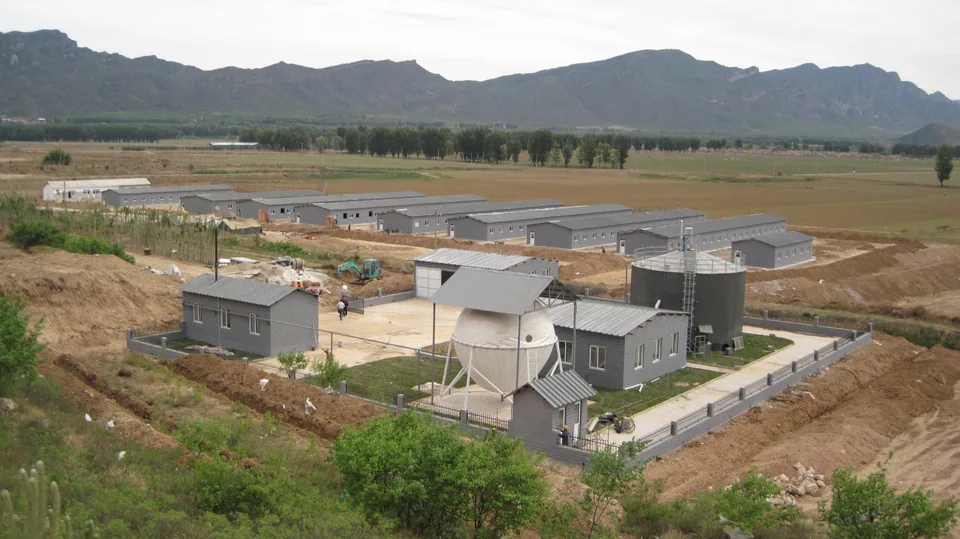
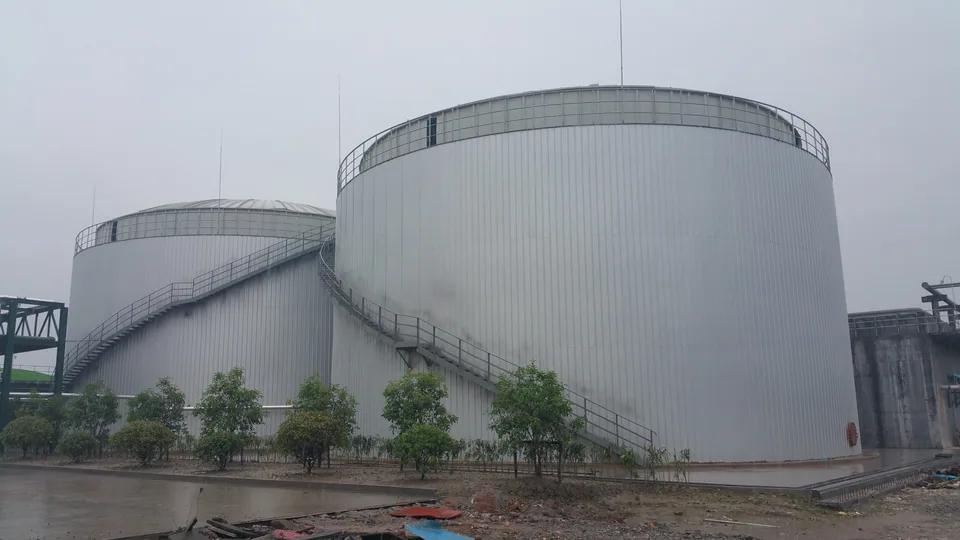
Equipment concepts for selected organic and solid waste streams where controlled volume reduction, stabilization, or resource-oriented treatment is technically appropriate.
Discuss Your Project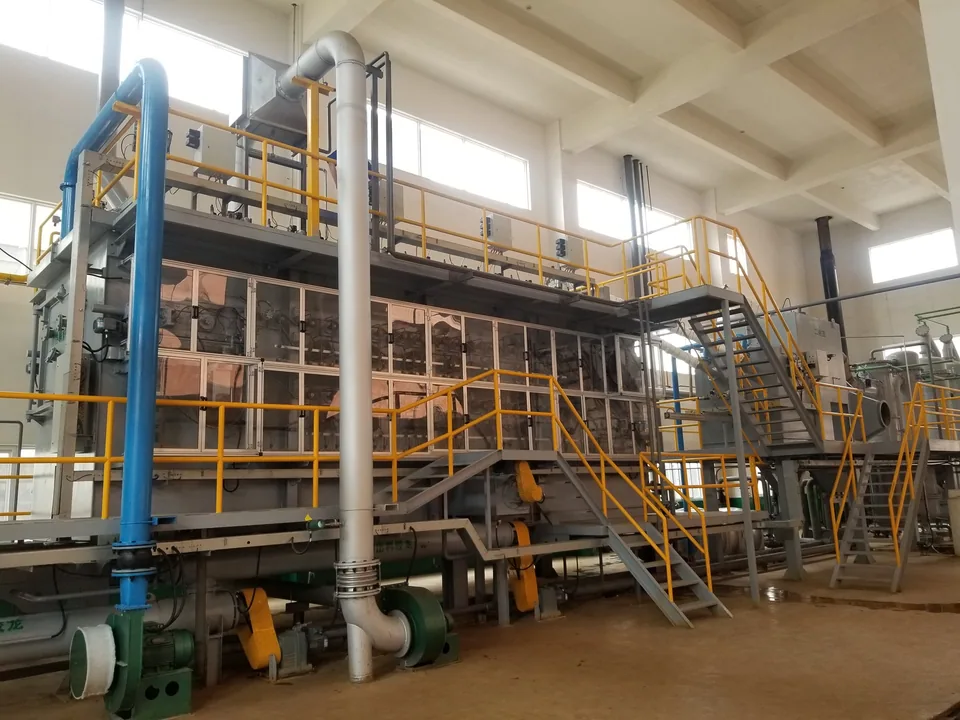 05
0501
02
03 / How the solution works
Huida selects the process around the actual waste stream rather than a preferred machine.
Moisture, ash, organics, particle size, calorific value, hazardous constituents, metals, halogens, odor, and the permitted residue route determine whether biological stabilization, dewatering, drying, thermal treatment, or another route is appropriate. A controlled thermal package can combine dewatering or drying, sealed metered feeding, oxygen-limited conversion, staged dust/tar/acid-gas handling, heat recovery, cooled discharge, and automated interlocks.
Every gas, condensate, wastewater, and solid-residue outlet is defined before the equipment is selected.
04 / Process
Define the waste code or category, source, variability, hazardous characteristics, incompatible materials, and sampling basis.
Compare biological, physical, thermal, and combined options; use bench or pilot testing when reaction, emissions, or residue quality is uncertain.
Control size, moisture, feed rate, oxygen, temperature, residence time, odor, leachate, and other variables required by the selected route.
Measure and route gas, liquid, recovered material, and solid residue according to product quality, permits, and downstream acceptance.
05 / Equipment
Segregation, storage, size control, dewatering or drying, metering, and enclosed transfer where required.
Biological vessel, dryer, reactor, or other project-selected equipment with controlled residence conditions.
Odor capture, ventilation, gas treatment, combustion interface, wastewater or leachate collection, and monitoring.
Cooling, enclosed discharge, residue storage, sampling points, interlocks, fire protection, and emergency shutdown.
06 / Project Value
Comparing process routes helps select the most suitable treatment for the actual waste stream.
Feed, odor, gas, liquid, and residue interfaces can be designed as one controlled handling line.
Preparation, treatment, gas control, and output handling can be packaged in defined stages and interfaces.
Energy or material recovery can be developed around product quality, safety, permits, and a confirmed downstream user.
Equipment & Systems
Explore equipment designs and configurations, then work with us to match the selection to your feed stream and site conditions.
Equipment configuration
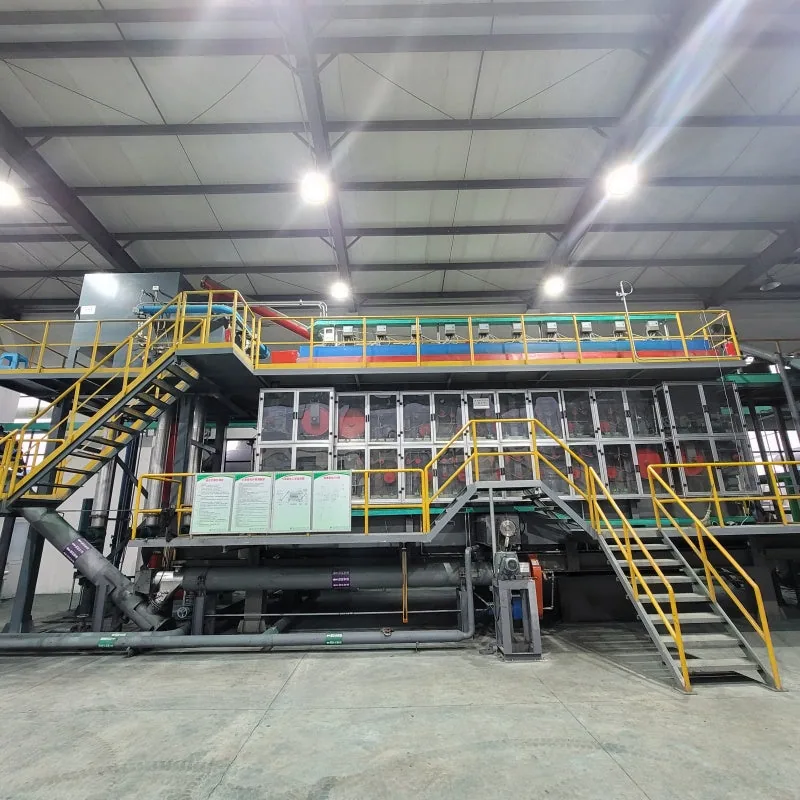
High-temperature pyrolysis equipment for suitable organic solid-waste streams, combining multi-stage energy recovery with multiple safety-control systems.
07 / Project Data
08 / Operations
We begin with waste composition, hazardous characteristics, local permits, emissions controls, residue requirements, and the intended disposal or recovery route, then recommend the treatment process suited to your material.
09 / Experience