Characterize & equalize
Confirm flow variation, wastewater fractions, temperature, pH, organic load, solids, nutrients, inhibitors, and the operating pattern; then define segregation and equalization needs.
01 / Solutions
Process and equipment solutions for high-organic-load industrial wastewater, new treatment systems, reuse trains, and upgrades to existing hydrolysis, anaerobic, aerobic, or membrane facilities.
Discuss Your Project 01
0101
02
03 / How the solution works
Industrial wastewater performs best when pretreatment, biological conversion, solids separation, and polishing operate as one connected train.
Hydrolysis and acidification can convert larger, less biodegradable molecules into forms better suited to downstream biology; anaerobic treatment can reduce a high biodegradable organic load with comparatively low aeration demand. Aerobic treatment then addresses residual organics and nutrients.
For reuse duties, MBR or ultrafiltration can control suspended material, while nanofiltration, reverse osmosis, ion exchange, ozone, or activated carbon are selected from salt, hardness, silica, and residual-organic data.
04 / Process
Confirm flow variation, wastewater fractions, temperature, pH, organic load, solids, nutrients, inhibitors, and the operating pattern; then define segregation and equalization needs.
Use screening, settling, pH control, coagulation or other project-specific steps to protect the biological stages and stabilize the feed.
Configure anaerobic and/or aerobic stages around biodegradability, loading, biomass retention, oxygen demand, and available footprint.
Select clarification, filtration, membrane, oxidation, disinfection, or reuse polishing according to the treatment target and residual contaminants.
05 / Equipment
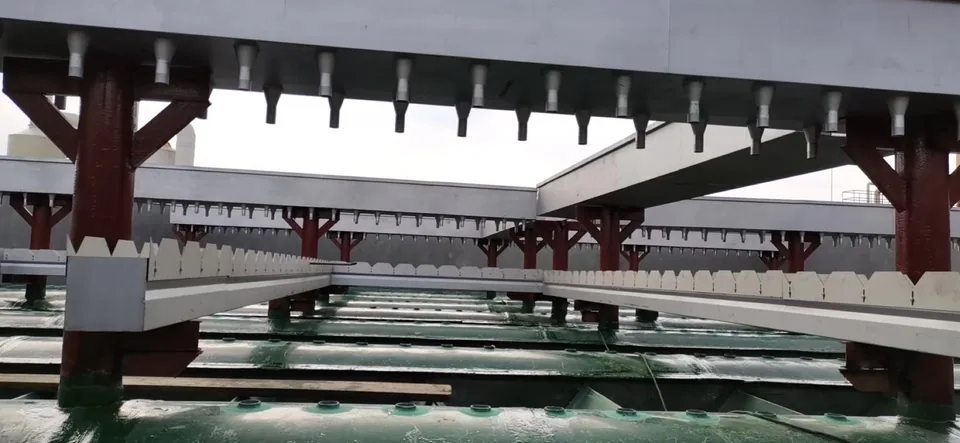
Feed piping, distribution points, recirculation, and level control arranged to limit short-circuiting and uneven loading.
Reaction zone, biomass-retention provisions, three-phase separator, gas collection, and distributed sludge withdrawal.
Aeration, biological tanks, secondary clarification or membrane separation, and return/waste sludge interfaces.
Project-selected filtration or oxidation, dosing, instruments, alarms, and the interfaces needed for safe operation.
06 / Project Value
Different wastewater fractions and treatment duties can be assigned to the stage best suited to them.
Existing ponds, tanks, and downstream units can be assessed for reuse, reinforcement, or phased upgrading.
Distribution, sludge, gas, aeration, and control points are considered together instead of as isolated equipment.
Treatment targets and equipment duties are developed from representative wastewater data, testing, and the agreed project scope.
Equipment & Systems
Explore equipment designs and configurations, then work with us to match the selection to your feed stream and site conditions.
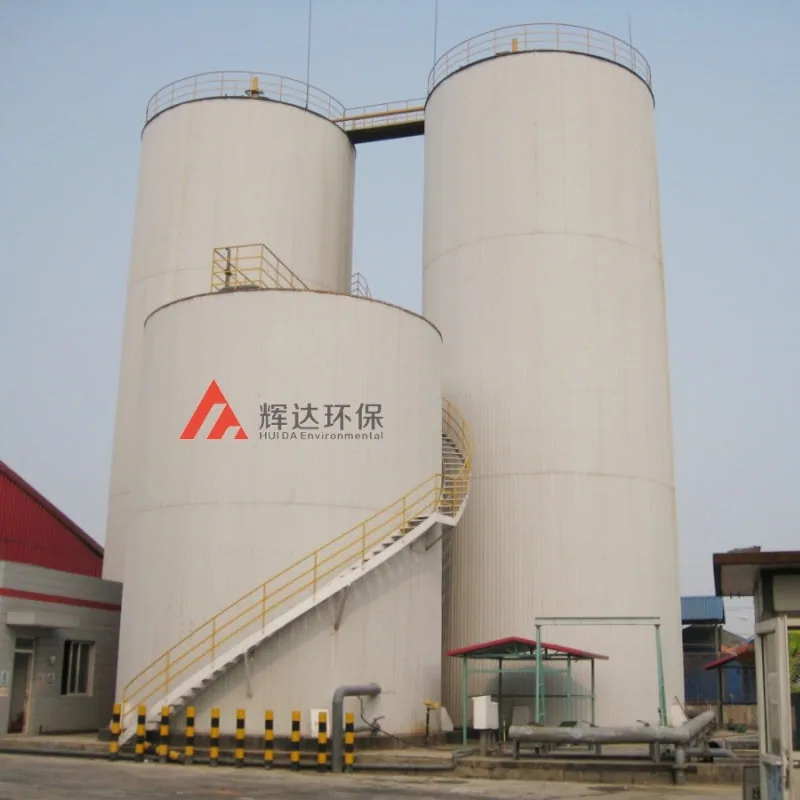
Equipment configuration
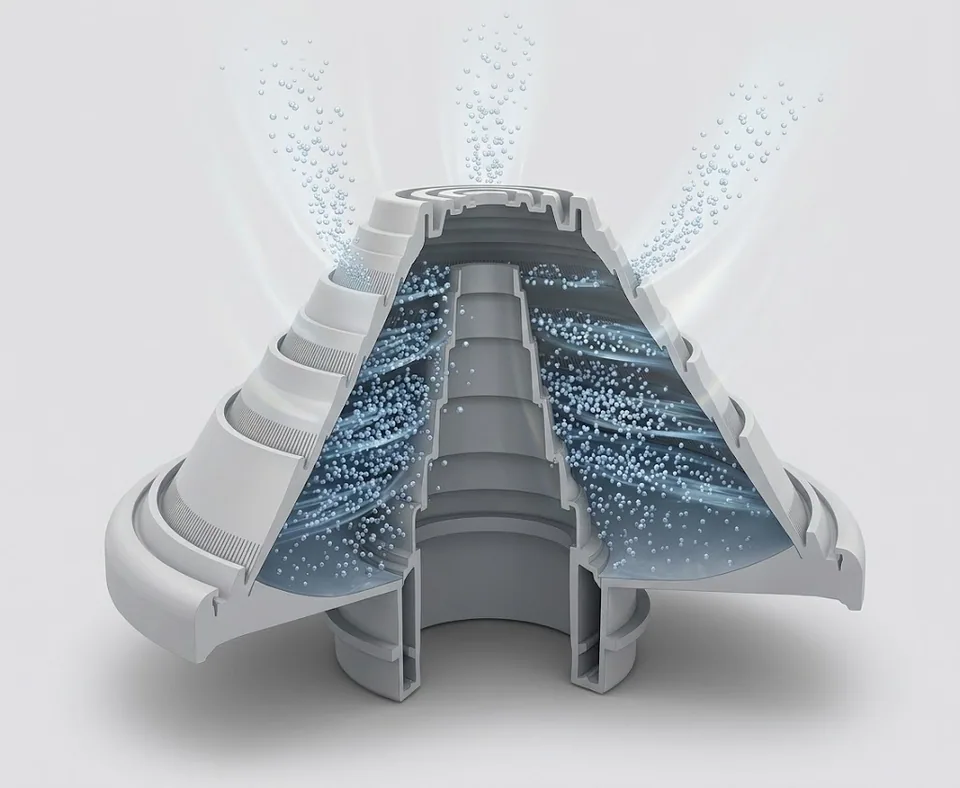
An assembled reactor design integrating water distribution and gas–solid–liquid separation, configured around the wastewater and its upstream and downstream treatment stages.
07 / Project Data
08 / Operations
Share your influent data, operating conditions, reuse or discharge target, and existing-structure details. We will tailor pretreatment, biological loading, membrane or polishing duty, equipment size, and the retrofit sequence to your site.
09 / Experience